
Countdown Tips to Run Your Next Half Marathon
This post may contain affiliate links that won’t change your price but will share some commission.
Countdown Tips to Run your next half marathon | Best Foods and Supplements – My best advice and tips to help you run your best race!
Oh, boy… The best foods to eat to train for and run your best half-marathon (or marathon or other race) are very personal. It’s unique for each person. Additionally, there are many articles, even books, and cookbooks on the subject. I’m going to give you guidelines. If you’re serious about running and being the best you can be, I recommend trying a different pre- and post-workout food combination and keeping a journal of how you feel. It’s a process because each run is different due to the weather, etc., but you’ll begin to see a trend in what works for your body and what doesn’t.
Countdown Tips to Run Your Next Half Marathon
First, forget the notion that you can carb-load the night before the race or a long run, and that’s all you need to do. What you eat from the start of training through post-race recovery is important. That sounds drastic, and it is a little dramatic, but nutrition is super important.
When training for a half-marathon or marathon, it’s important to know how to fuel for training and for short or long runs. Believe me, eating for fuel is very important. I began looking at food differently after training for my first half-marathon. You may as well.
It’s important to understand how to keep your body fueled for running and training. It’s not just about carb-loading or carb-loading the day before the race.

Eating a balanced diet and giving our body the nutrients it needs is critical for your success. You need to take in food or fuel that your body can utilize as energy. Primarily, three macronutrients of carbohydrates, protein, and fats are what our bodies use for energy.
Carbohydrates are the main macronutrient your body will use as fuel for distance running.
What carbs you eat are important. These are the top 10 carbs for a runner.
- bananas
- brown rice or quinoa
- sweet potato or beetroot
- berries
- energy bars made from real food, fruits, nuts, and whole grains with minimal added sugar. (recommended energy bar)
- low-fat yogurt
- old-fashioned oatmeal
- sports drinks (Hotshot, Gatorade Endurance, and Accelerade)
- tomato sauce
- whole-grain bread
- whole wheat pasta
Protein is important for muscle recovery and strength. After a workout, protein comes into play. The amino acids that make up proteins help rebuild the protein that has been broken down to fuel your muscles. Eating protein helps to rebuild them. In fact, it’s recommended to drink a protein shake within one hour of running.
Fats – Our bodies utilize fat stores as a secondary energy source for long runs. However, it cannot convert fat into fuel fast enough to serve as the primary energy source.

There are micronutrients that are fundamental.
Water: humans simply cannot function without it. The recommended daily water intake for Women is 2,700 milliliters, which is a little more than 90 ounces. Men need even more. They need 3,700 milliliters per day, or 125 ounces, according to the Food and Nutrition Board of the Institute of Medicine. If you are very active, you will need more. A good way to estimate how much more water you’ll need is to do this simple procedure. Weigh yourself before going out for a run, and drink frequent small amounts of water while you’re running. When you get back in, weigh yourself again. For each pound you lose, drink 2 to 3 cups of water to keep yourself properly hydrated.
Vitamins and minerals are essential as well, and as long as you are eating a well-balanced, healthy diet, you should be getting enough vitamins and minerals. B vitamins, such as riboflavin and niacin, are important in our energy production pathways. Endurance runners may benefit from taking these supplements. For women, getting enough iron is important, as it transports oxygen in our blood.
For distance running, when you lose a lot of sodium and potassium through sweat, energy sports drinks are necessary.
How exactly does all this, macronutrients and micronutrients, look on our plates?
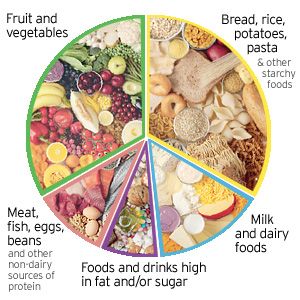
Fruits and vegetables make up 1/3 of the plate, and the bread group, which is your main source of carbohydrates, makes up another 1/3. The last third of the plate consists of meats, poultry, fish, fats, milk, and dairy products.
Every time you eat a meal, visually break your plate into these categories and fill each one accordingly. My husband jokes that I eat ‘twigs and berries,’ and that’s somewhat true. I fill my plate first with fruits and vegetables, then carbs, and then, if any, meat.
Supplements
Additionally, I recommend taking a multivitamin. And that may be all you need. I’m a little older and feel I need supplements for my joints. Below is a list of what supplements I take and what they do.
Along with a multivitamin, I take (click name to purchase)
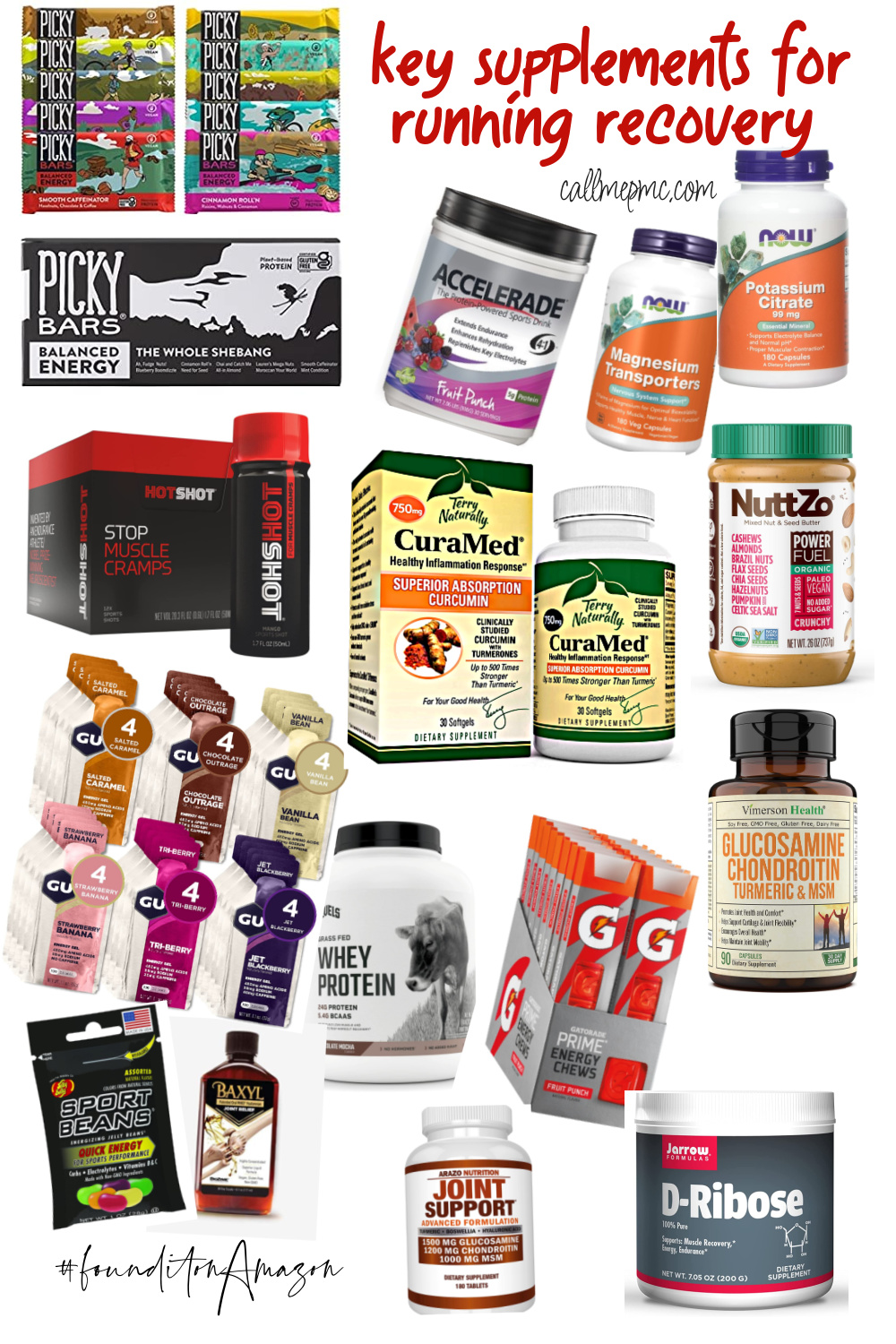
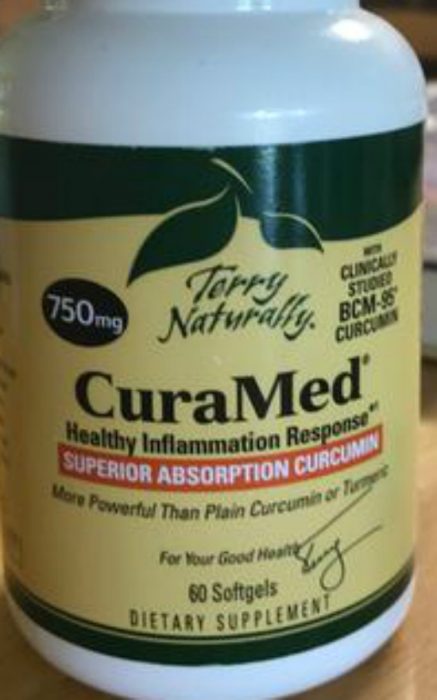
- Curamed has an indisputable history and evidence of anti-inflammatory value.
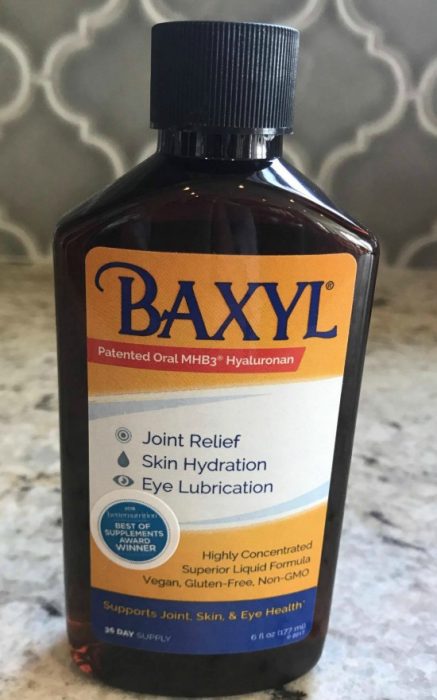
- Baxyl helps alleviate joint discomfort.
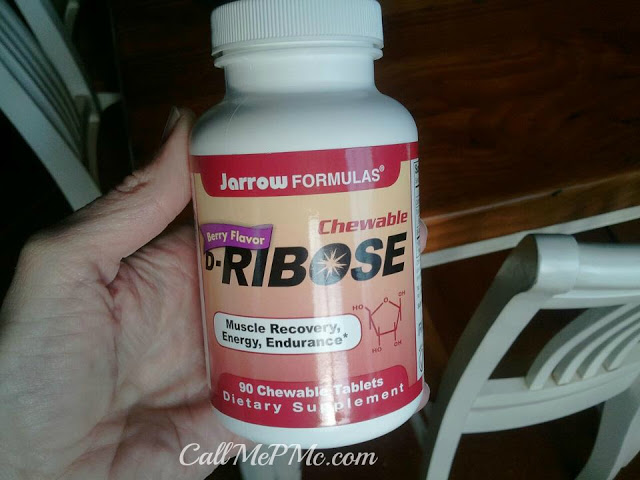
- D-Ribose supports muscle recovery and endurance. (I mix the powder in juice.)
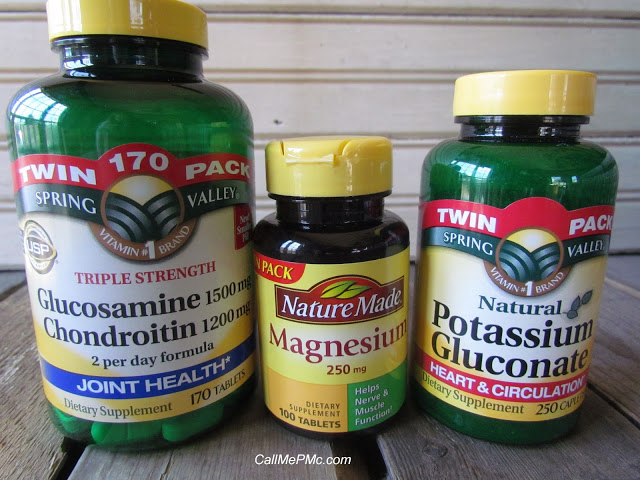
- Potassium is a mineral that works with sodium to balance the fluids and electrolyte levels in your body. And since steady fluid levels help to regulate your heartbeat and prevent muscles from cramping, potassium is particularly important to runners.
- Magnesium is crucial for energy production, muscle function, protein synthesis, and insulin metabolism.
- Glucosamine and Chondroitin for relieving joint pain and restoring cartilage.
- I also drink a protein drink mixed with almond milk since I’m not a big meat eater.
Fueling for short and long distance running
Shorter distances
The general rule is that if you have been fueling properly beforehand (at regular meals), you have enough stored in your body to run for 60 minutes without refueling during exercise. This may vary with people who have hypoglycemia, diabetes, or other conditions. Therefore, you do not need to plan for a snack during exercise.
Make sure you eat a good meal two to three hours beforehand with carbohydrates. Or eat a power snack an hour or so beforehand for shorter runs, an hour or less.
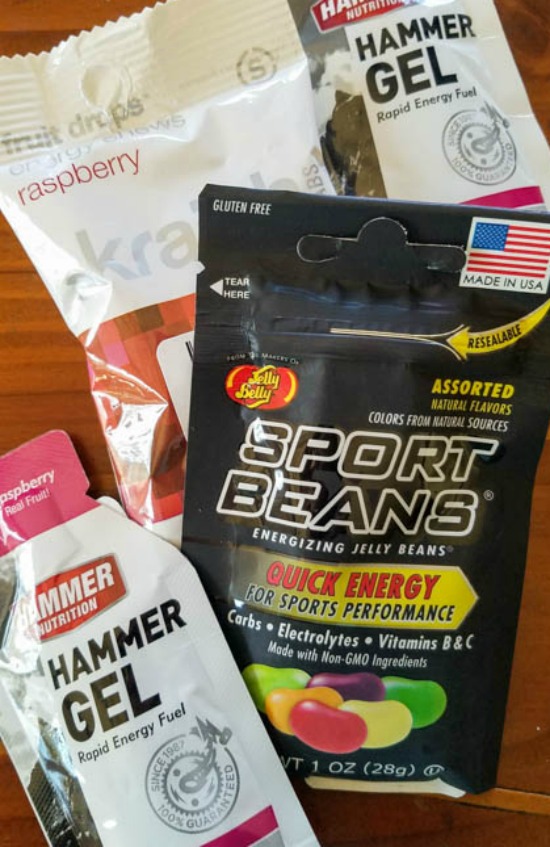
Longer distance runs
Please remember that everyone is different. You can also train your body to some degree. I did not fuel during long runs under two hours while training for the St. Jude Half Marathon recently. I did drink water during these runs.
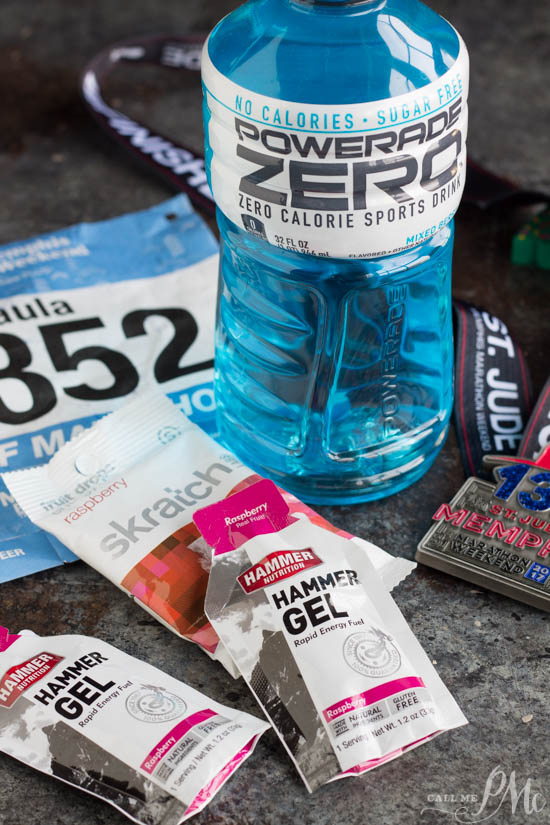
However, some runners do better with consistent fuel. For this, I recommend gels, jelly beans, or chews. These are essential electrolytes with a jelly-like consistency, packaged in a small, portable container. Please note that if you plan to use fuel during your run, use it during training. Furthermore, train using the exact brand. If you plan to use the fuel provided at the race, research which particular brand will be provided. Also, if fueling stations are set every two miles, train at those times and intervals. You may want to fuel once or twice, take only half the gel pack, or take the full pack. Work on different methods to find what’s best for you.
Most notably, some runners experience cramping or GI issues when taking supplements during a run. This is why you want to train with not only a supplement, but a specific type and brand. Do not do anything on race day that you didn’t try beforehand. It takes experimentation, and there are a lot of options out there, so proceed wisely.


Favorite snack ideas:
You can find some of my favorite pre- and post-workout snacks here: Snack Smart. As well as here My Favorite Snacks for Running Fuel.
Pre– or post-run fuel can range from a banana with almond
Be sure to read my other posts in this series.